Is your B2B website Gen Z friendly?
Gen Z is more involved in B2B buying decisions. If your website’s design accommodates their preferences, it will benefit buyers of all ages.

You may have seen this stat making the rounds: Millennials and Gen Zs now make up 71% of B2B buyers. In a sector that has traditionally been seen as old-school, reports like these can leave marketers wondering if their tactics are up to modern standards.
Many B2B brands pride themselves on longstanding personal relationships with customers but Gen Z, for example, doesn’t like talking on the phone. They’ve also never lived in a world without the internet, so naturally they tend to do most of their research online.
Your B2B website is the foundation of your online presence. Without it, you’re all but invisible to the new generation of buyers. If you want to capture the attention of Gen Z — and upgrade every other user’s experience in the process — these website design elements are mandatory.
Gen Z’s must-haves are good for all of us
While our research focuses on Gen Z, we’re not discounting the preferences of other generations. It’s helpful to note that a lot of these design choices benefit buyers of all ages because they provide additional accessibility, clarity in the decision-making process, and a human touch that’s critical in the AI era.
We also want to avoid stereotypes like the common claim that Gen Zs have short attention spans. In a world oversaturated with content, it’s less about a need for instant gratification and more of a preference for modern experiences that respect the user’s time.
Make the experience fast and smooth
 A typical Gen Z rejoicing over fast page loading speeds.
For a generation of digital natives, speed and responsiveness are non-negotiables. In one study, 66% of Gen Z respondents considered website loading speed very important, and 57% said they are less likely to buy from or use services on a site that loads slowly.
Another mandatory feature is strong mobile optimization. Gen Zs spend an average of about three hours per day on social media, and 35% spend more than four hours per day. The need for strong mobile design is nothing new, especially as adults of all ages steadily spend more time on mobile devices, but a poorly optimized site is much more likely to be a dealbreaker.
To sum up, avoid slow loading speeds and clunky functionality, and make sure the site is mobile friendly. Adding seamless cross-platform integration also makes it easier for users to continue their research on other devices or share content with coworkers.
Keep the visual design clean
Gen Zs have a strong preference for aesthetic simplicity. This is about more than looking pretty: it emphasizes the clarity, ease of navigation, and immediacy that Gen Zs prefer.
Clean, minimalist layouts take precedence over heavy-handed designs with a corporate feel. Websites can achieve this by balancing bold, vibrant typography with subtle animations that trigger by scrolling. Text should be easily scannable with clear headlines and design elements that highlight quick snapshots of important messages.
Visuals should also be authentic to your brand, featuring real people from your team rather than stock photos or AI-generated imagery. For extra points, add a dark mode option to improve readability for users with that preference.
Tell a compelling story
Like many modern website users, Gen Zs prefer to read an authentic story over a sales pitch. Rather than simply listing information about products, your site can feature storytelling elements like characters (people who use your product), conflict (real challenges they face), and resolutions (how your product saves the day).
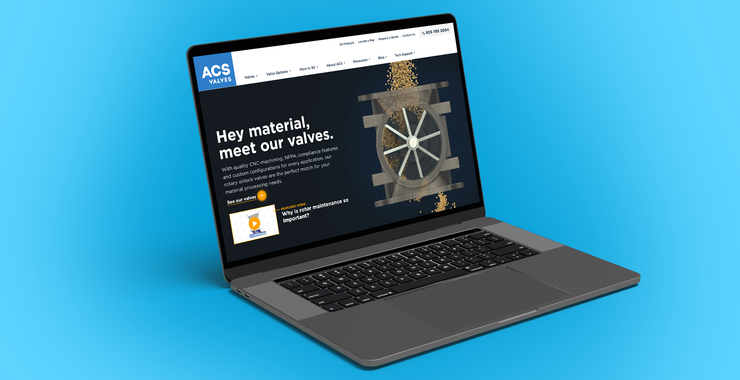
Add humanity and authority to those stories by sharing your knowledge and citing your own subject matter experts. Gen Zs tend to approach online content with some skepticism, and they’ll cross-check information against other sources before making a decision. That said, they’re inclined to trust established experts, so try adding content like FAQs, glossaries, and educational blogs and videos to build authority.
With a special interest in transparency and social causes, Gen Z audiences may also be keen to read about your company’s values, as well as your approach to issues like sustainability and ethical sourcing.
Make it fun to learn about your brand
To help this generation digest your brand’s key messages, interactivity should be a core part of your website’s design. Interactives such as calculators, maps, graphs, 3D viewers, and quizzes can help users visualize information, make complex B2B concepts easier to absorb, and provide a memorable experience.
Interactives like infographics and articles with scroll-triggered animations can also play into Gen Z’s preference for storytelling. These can provide an engaging visual narrative to educate users about technical concepts, product implementation, or your brand’s values.
Keep the whole journey in mind
It’s just as important to consider what happens before and after a user lands on your website. Considering that 86% of Gen Zs make a daily habit of using AI at work for product research, you should evaluate how your business shows up in AI-assisted search and create a content strategy around that.
After their first experience on your website, consistent branding and a strong presence on social media can help ensure your business builds recognition with younger users.
Also, remember those stats about Gen Z not wanting to talk on the phone? That seems to ring true across generations, with only 29% of modern buyers (regardless of age) saying they’d want to talk to a salesperson to learn more about a product. Knowing younger users’ preference for a self-serve experience, you may want to invest in ecommerce to eliminate another potential source of friction.
Make a site that’s friendly to all users
Regardless of generation, modern buyers prioritize websites that make their decision-making process easier. You do that through a combination of aesthetic design, UX, content, and more, but when your B2B business has highly technical solutions or a complex hierarchy of products, that can be easier said than done. Our web team has decades of experience navigating complicated builds, so talk to us to learn how it’s done.