What does your B2B brand stand for?
Today’s B2B relationships are built on trust. To connect with self-serve buyers, make sure you articulate your brand’s values clearly and consistently.

Like it or not, B2B brands have a reputation for avoiding risk. Bold, creative moves feel like something reserved for the B2C sector, where brands need to be loud to capture the emotions and attention spans of a larger audience.
B2B brands don’t necessarily need to be loud, but they do need to send a clear, consistent message. Who are you? What are your values? What do you stand for?
If you don’t answer those questions yourself, AI search engines will answer for you. Buyers will have fewer chances to emotionally connect with your brand or build familiarity with it, which means they’re less likely to trust you.
In short, saying nothing sends a message. That’s where playing it safe becomes the greater risk.
“People often think about branding as visual identity or campaign execution,” says Jeanette Thompson, Marketing and Brand Strategist at Motum B2B. “In reality, the brand is the sum of what people believe your business is about when you’re not in the room.”
Brand work is about owning that narrative. Only you know what your business is about and what it represents, but is that message clear and recognizable to an external audience? It goes beyond giving them a logical reason to buy your product: it’s about giving them a reason to care.
The AEO play
Your brand is visible in every way that your business communicates: what you advocate for in thought leadership content, what your employees share on LinkedIn, and what users say about you on Reddit or Glassdoor. AI doesn’t necessarily distinguish between these sources, and it will comb through all of them to summarize your company in a search.
The brand is the sum of what people believe your business is about when you’re not in the room. Jeanette Thompson, Marketing and Brand Strategist
“Your values should be communicated at every touchpoint, and that matters more with AI search, which rewards clarity, consistency, and authority,” Jeanette explains. “Brands with a defined perspective are more likely to appear as credible sources, because they’re recognizable and stand apart in their values.”
To marketing experts, AI-powered search is more than a handy tool or accessory for the research process — AI chatbots are part of the buying team. With developments like the recently announced overhaul to Google Search, which reimagines the SERP as an AI-powered interactive experience, future users will be even less likely to click links as all the information they need is served up in an instant.
That means you can’t count on buyers to land on your About Us page to learn what your brand stands for. You need to make sure that information is accessible to AI search tools by sharing it across multiple channels, being crystal-clear in your messaging, and keeping those messages consistent.
What drives buying decisions?
Plenty of logical factors go into buying decisions, but emotion is a powerful driver. Especially in recent years, buyers show a preference for vendors that have strong values.
 B2B buyer groups are getting bigger and more complex.
Compared to B2C purchases, B2B often comes with more risk, more commitment, and the promise of a long-term relationship with the vendor. Buyers are more willing to start that relationship with someone they trust.
“People still buy emotionally in B2B, and branding helps build trust, confidence, and alignment with buyers who prefer to buy from businesses that share their values,” says Jeanette. “Establishing those brand values becomes a powerful strategic asset.”
In this context, emotion doesn’t have to be dramatic: buy this home security system or you’ll get robbed. Fear-based messaging can be effective, but it’s not a good place to build trust or goodwill. Your brand can evoke more positive feelings like safety, camaraderie, or hope.
“Especially in highly competitive B2B sectors, products and services can appear increasingly commoditized, so values become the differentiator,” Jeanette says. “It’s not just being brave — it’s taking a stand on what really matters to your company.”
What matters to your brand?
Does taking a stand mean saying something controversial, cheeky, or even (gasp) political? Not necessarily, but a stance can feel inauthentic when it’s too safe. Your stance should feel natural to your brand and what it delivers.
For instance, a business that provides an environmentally-friendly service may naturally find themselves with a stance on sustainability. This could be a “pillar topic,” which Jeanette says is a core topic that a brand has the expertise and authority to speak on from several different angles. It would make perfect sense, then, for this hypothetical brand to share pro-environment articles on social media or advocate for climate change mitigation in its thought leadership.
But not every case is so clear-cut, so let’s look at some less obvious examples.
Let’s say you sell a manufacturing component that is highly durable, so it delivers value through its long lifespan. Customers spend less time on maintenance and don’t have to buy replacements as often. Because of this, you might say your business values integrity or quality manufacturing. To support that, you might post content about how to identify poorly made parts or share social media posts that speak out against planned obsolescence.
In another example, maybe your business prides itself on having a close-knit team that works with customers one-on-one. Your branding is saying that your business values collaboration and community, so maybe you share social posts about team events and charity drives, show behind-the-scenes videos about the team’s daily work, or write Q&As featuring their expertise. Note, also, how jarring it would look if, say, you shared an article promoting mass layoffs as a way to save money.
Craft a consistent throughline
A big part of this effort is staying consistent with your values and the way you express them. The stance should be a central throughline that connects all your branding efforts. It should be visible in the way your business operates — putting your money where your mouth is.
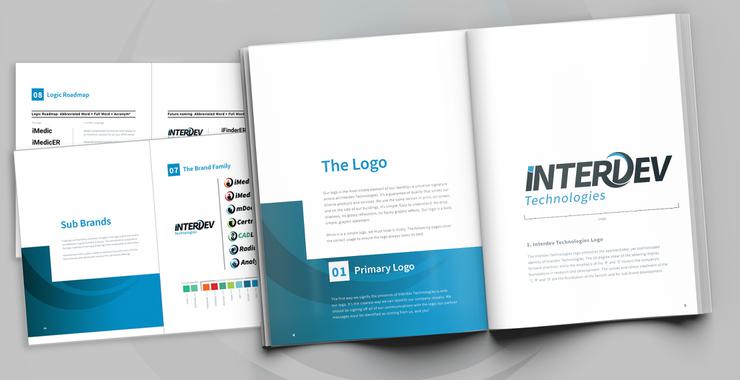
“A company that talks about customer-first service should make that visible in every interaction,” explains Jeanette. “Not just in campaigns, but in onboarding, response times, support experiences, and how decisions get made internally. Brand values have to be experienced, not just communicated.”
Again, comments and reviews can be pulled into AI summaries, so what you do should match what you say.
It’s worth revisiting your existing brand work to see if there are any inconsistencies. Are your core values clearly defined? Is there a clear narrative? Is all of this hidden away in a dusty folder, or is it being shared with everyone on your team?
“It can take time to develop that framework and brand governance,” says Jeanette. “People sometimes skip over the purpose and the brand promise. If you do, you don’t get to establish how you’re going to communicate.”
A clear, connected message leaves a much stronger impression. When it comes to getting it right, Jeanette says there’s no magic bullet, but it’s worth the effort.
“When you can embed those brand values in every aspect of the business, it’s not something you say you are — it's something you do.”
Make sure your brand’s voice is heard
In niche B2B markets, it can be tough to position yourself and develop a clear messaging framework that really speaks to your brand. Our marketing experts can help you set up the foundation your brand will build on, author the content needed to carry it forward, and monitor the results for ongoing momentum. Contact us to learn more.